
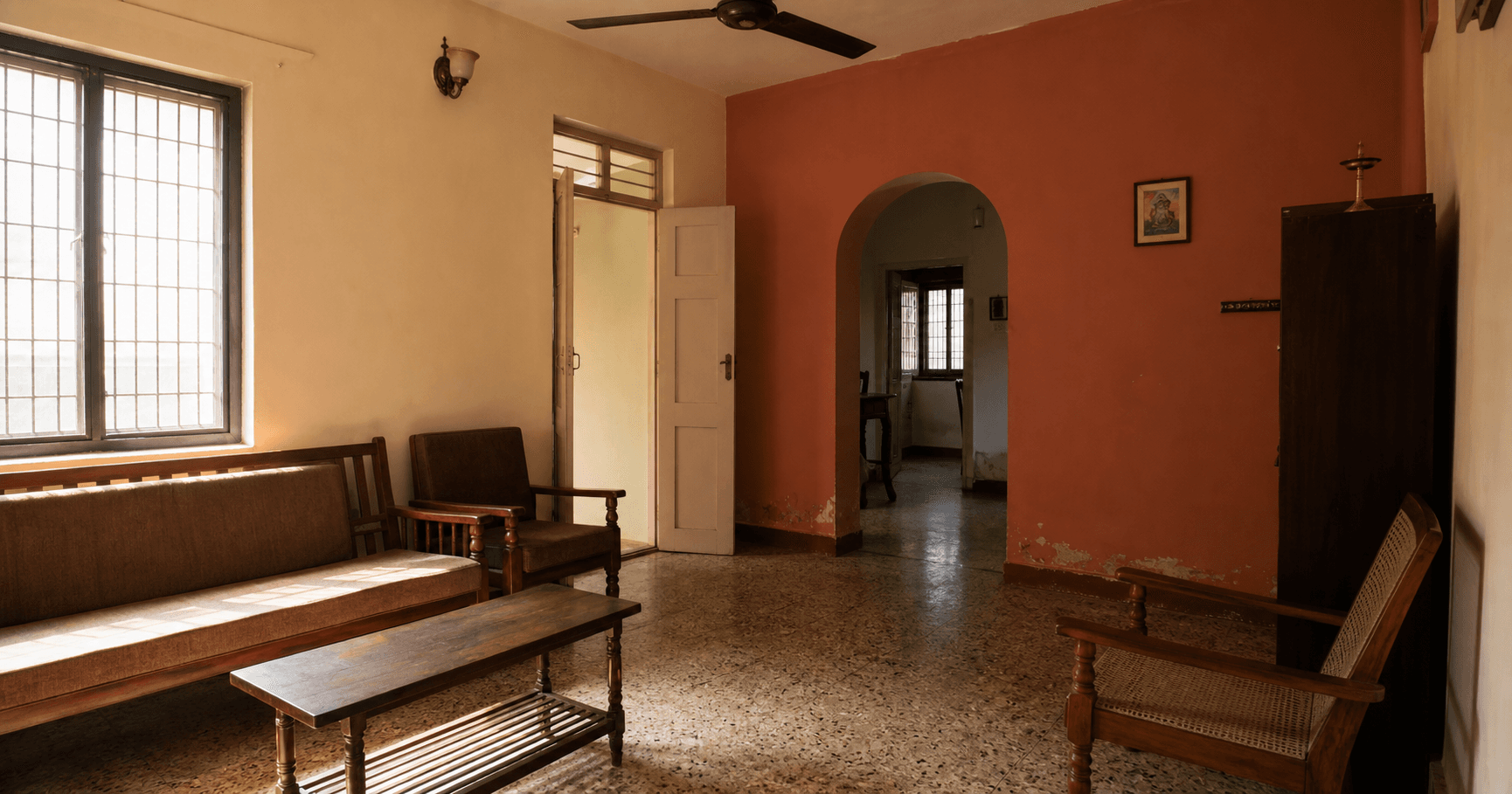
Matt vs Satin vs Gloss: Which Paint Finish for Each Room?
Matt for calm rooms, satin for the rooms your family actually lives in, gloss for wood and metal. That is the short answer for most homes. The rest of this guide is why, room by room, with the trade-offs stated plainly instead of hidden.
Finish decides more than shine. It sets how a wall copes with a wet cloth, whether your putty repairs stay invisible, and how many years pass before the room needs doing again. Two homes can use the same colour and the same quality of paint and get different results, because one matched the sheen to the room and the other picked it off a shade card.
Key takeaways
- Matt hides putty marks and plaster waviness, but it scuffs and will not take hard scrubbing. Bedrooms and ceilings.
- Satin wipes clean and handles the busiest rooms in the house. Living rooms, corridors, children's rooms.
- Gloss protects wood and metal and shrugs off moisture, but it magnifies every flaw underneath it.
- Not sure? Satin is the safe middle for a family home.
Why traffic decides the finish
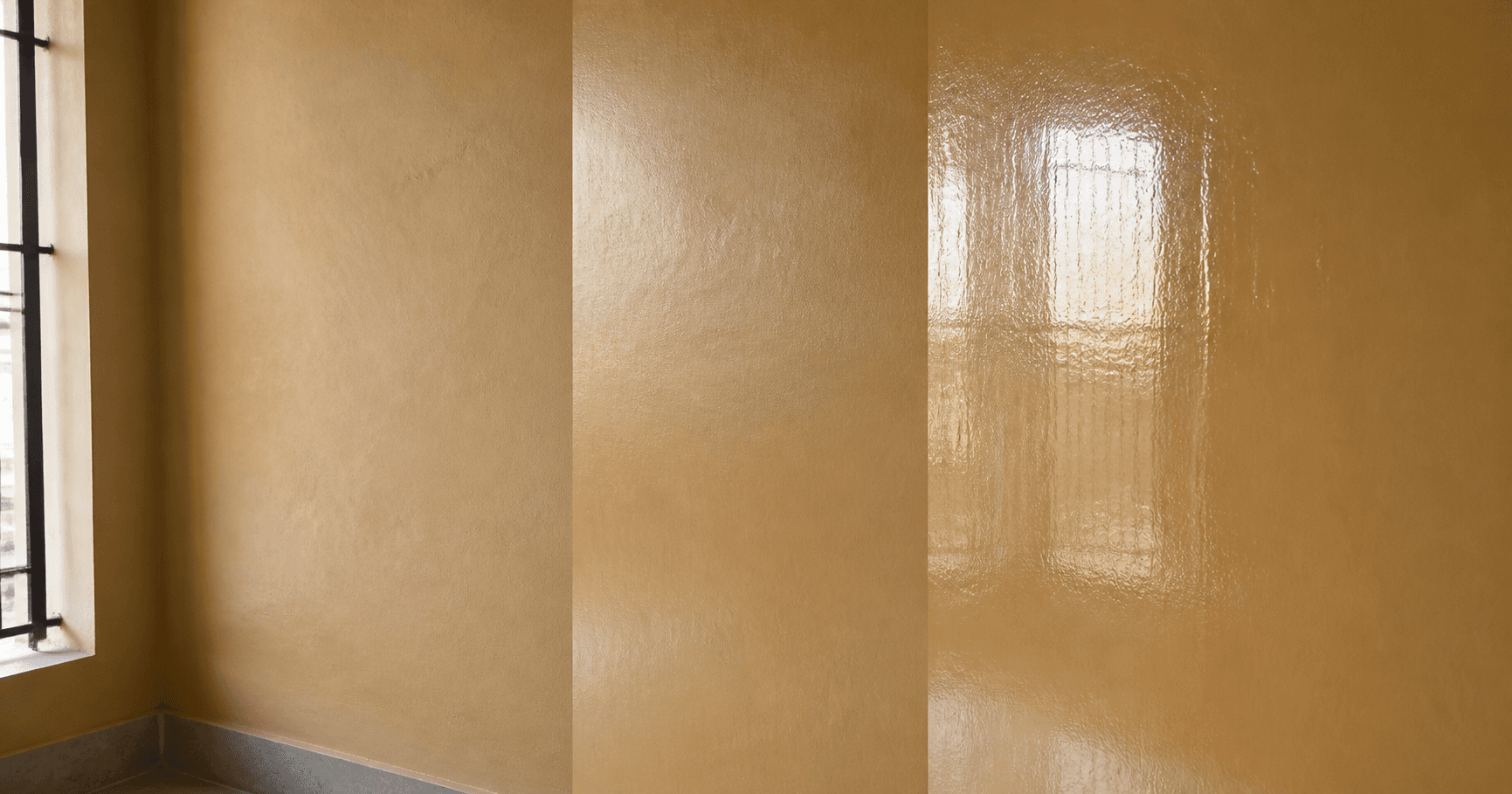
Traffic decides the finish because sheen and washability rise together. The glossier a surface, the tighter and harder the dried film, which is what lets you scrub it. Flatter finishes leave a more open, porous surface, and that same openness is what swallows light and hides a wavy wall.
The real question is how much handling a particular wall takes. A ceiling nobody touches and a corridor wall three children drag their hands along have opposite requirements, and one finish cannot serve both without losing badly on one side.
What matt does well, and where it struggles
Matt absorbs light instead of bouncing it back. That is exactly why it forgives a wall its small sins: putty patches, gentle waviness in cement plaster, the faint ghost of an old repair. Rooms feel softer, and deep colours look deeper because nothing is reflecting off the surface.
The trade-off is real and worth knowing before you commit. Matt is the hardest of the three to clean. Scrub a turmeric fingerprint too hard and you can polish a shiny patch into the wall, and that patch does not go away. It stays until the wall is repainted.
So matt earns its place where hands rarely land:
- Bedrooms and the pooja room
- Ceilings, in every room, without exception
- Formal sitting areas that see guests rather than cricket practice
Our matte wall paint is peel-proof and anti-fungal, so the calm look does not cost you durability.
Where satin earns its keep
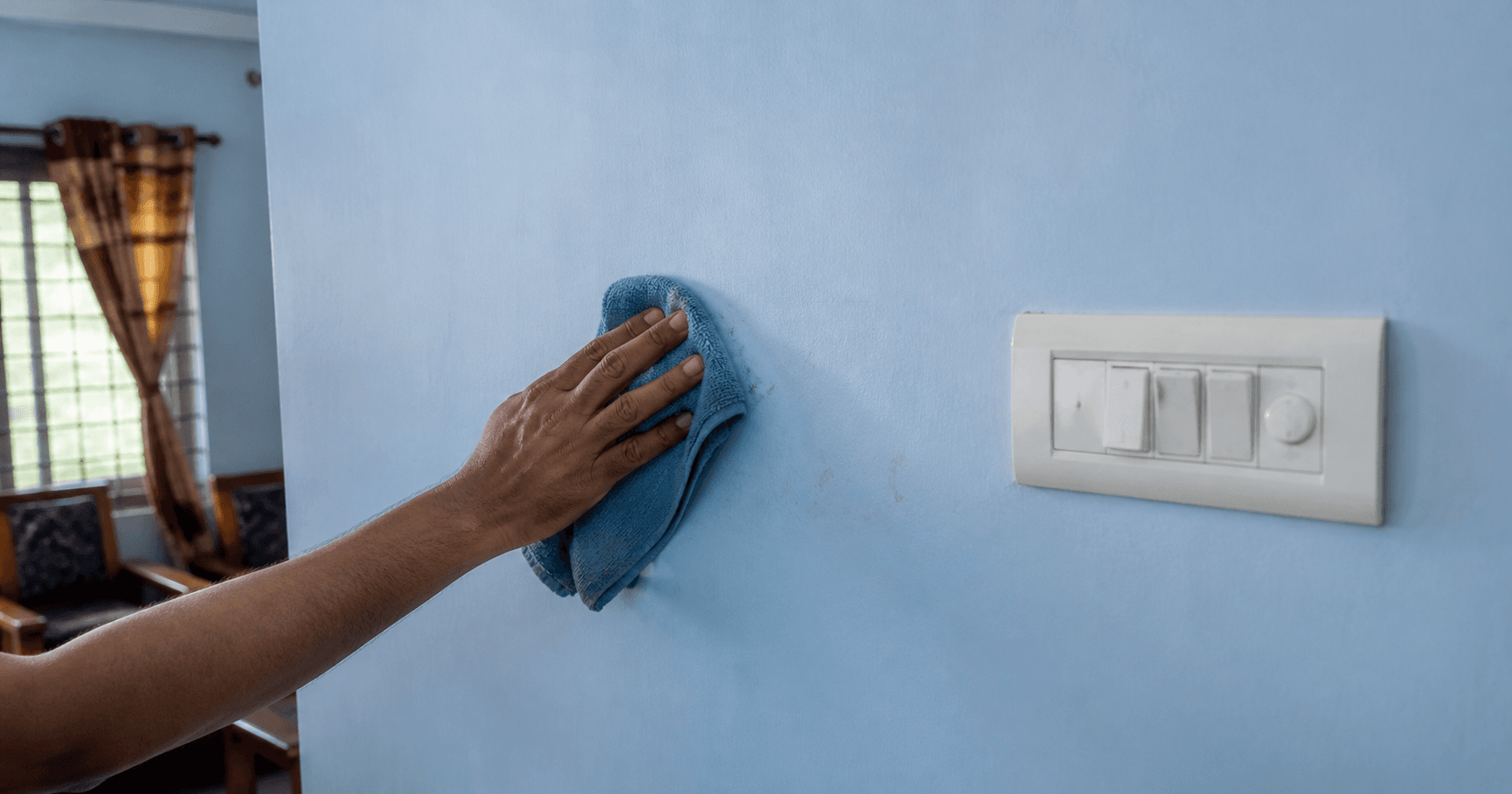
Satin has a soft, low pearl glow, and the surface takes a cloth. Fingerprints around switchboards, a pencil line at child height, splashes near the wash basin: mild soap water and a soft cloth deal with all of it, and the wall does not end up with a burnished shiny patch where you rubbed.
That single property is why satin is the default for most of the house. It also throws back slightly more light than matt, which makes a small or north-facing room feel brighter without adding a single light fitting.
There is one condition. Satin wall paint rewards good preparation. On level, properly puttied walls it looks superb. On rough or wavy plaster, that faint sheen will pick out every dip and every sanding mark. Fix the surface first, or step down to matt and let the flatness do the hiding.
Gloss: strong, shiny, and picky about prep
Gloss is the toughest of the three and by far the easiest to wash. It is also the most demanding, because shine exaggerates whatever is under it. Every dent, sanding scratch and putty joint announces itself. On a large living room wall that can feel like a mirror aimed at your plastering.
Used where it belongs, gloss wall paint is hard to beat:
- Wood: doors, frames and shutters
- Metal: window grilles, gates and railings
- Small, high-abuse zones such as skirting, staircase edges and the splash strip behind the kitchen sink
Those are precisely the surfaces that daily handling and monsoon damp punish hardest, and exactly where a washable, moisture-shedding film pays for itself.
How to test a finish before you commit
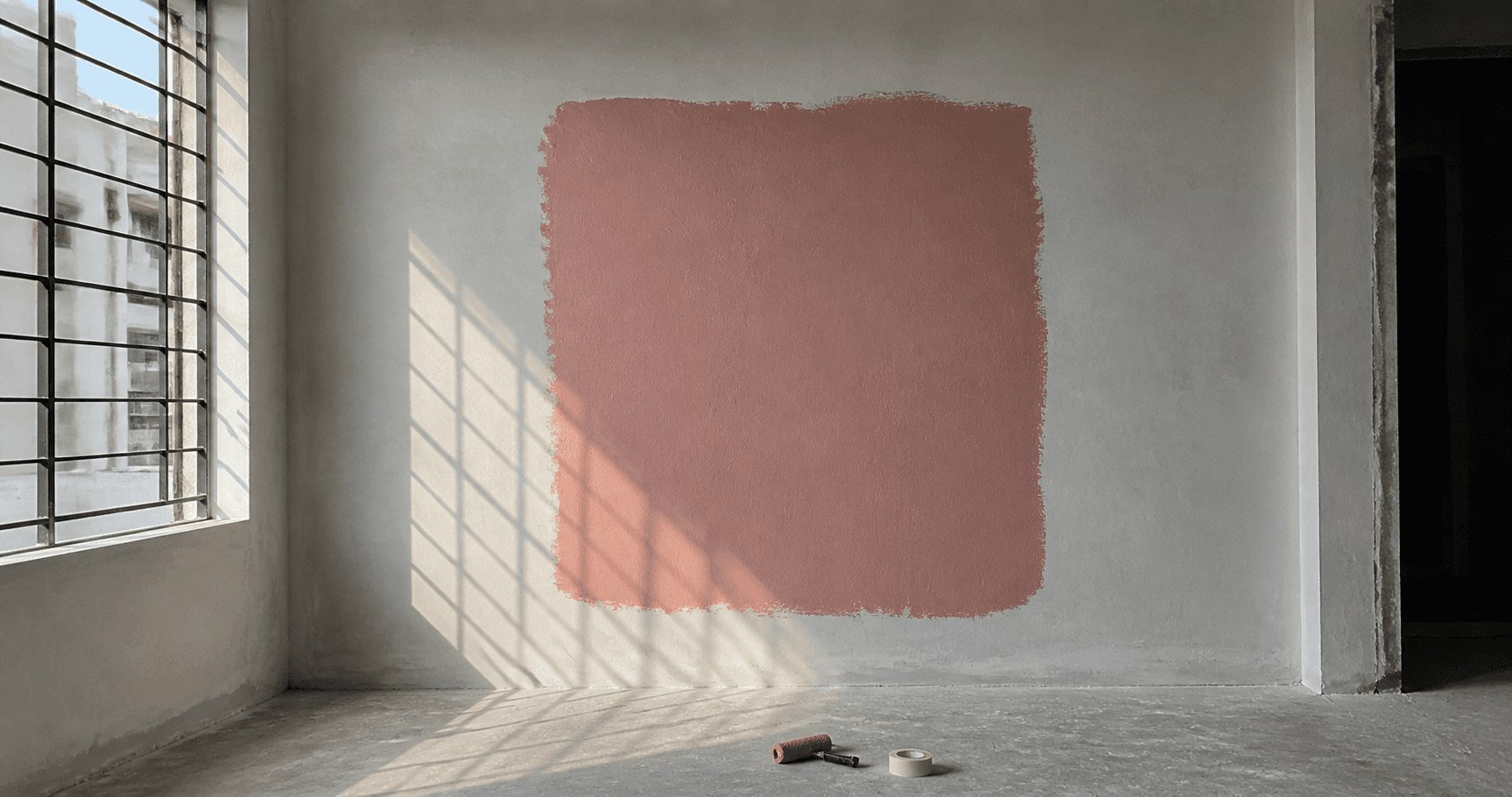
Put the finish on the actual wall, at roughly a metre square, and look at it in three different lights before you commit the room. Everything else is guesswork.
- Paint a patch at least one metre square. Anything smaller reads as a swatch, not a wall.
- Use the wall you are worried about, not the best-lit one.
- Check it in the morning, in late afternoon, and at night under the bulbs you actually use.
- Once it is dry, press a hand on it and wipe with a damp cloth, then look for a shiny mark. Judge it from where you normally sit as well, because a finish that behaves at arm's length can glare across a room.
Our crews do this as a matter of course. A sample area goes on your wall and gets approved before the shade is taken across the room, so nobody is committing a full elevation to a guess.
Room by room
Matt where hands do not land, satin where they do, gloss where water and handling do. The exceptions are worth knowing, because most homes need at least two of the three.
Bedrooms and pooja room
Matt. These rooms want calm and their walls stay largely untouched. If a bedroom doubles as a study, satin on the desk wall alone is a sensible exception.
Living and dining
Satin. Guests, children and festival crowds all pass through, so you want colour that holds and a surface you can wipe down before Deepavali rather than repaint.
Kitchen
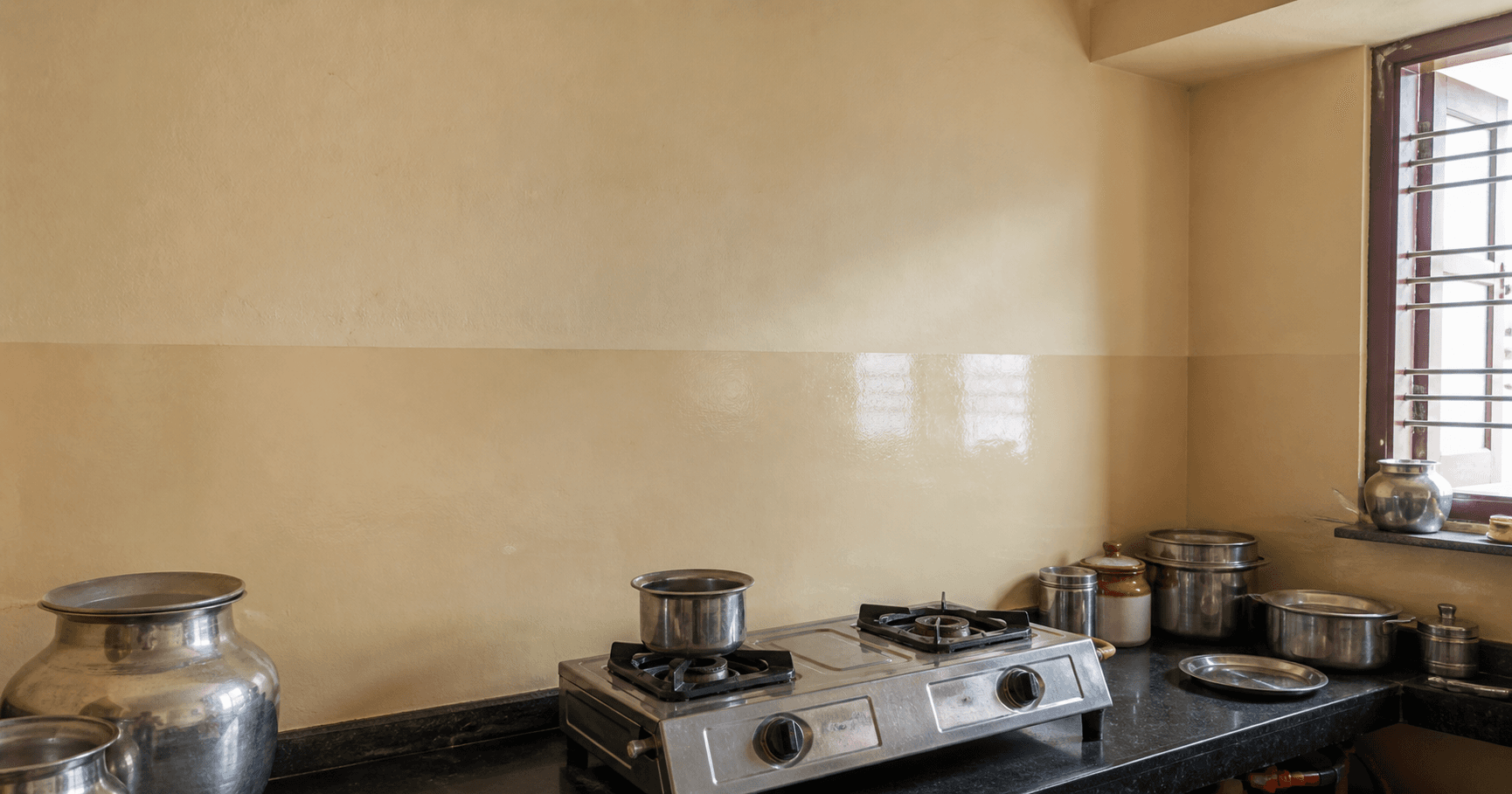
This is the one room where mixing within a single space is worth the trouble. Satin covers the general walls, and gloss goes on the splash strip behind the stove and sink where oil and scrubbing concentrate. Steam and the fine mist thrown off a daily tadka rule matt out here completely, however good it looks on day one.
Children's rooms and corridors
Satin, without debate. These are the highest-traffic walls in the house, and they are the ones most often repainted early because somebody chose matt for the look.
Exterior walls
Outside, sheen comes second. What matters first is a weather-grade exterior system that handles sun, driving rain and alkalinity coming out of the plaster. Within that, a low-sheen finish is the usual choice across large elevations because it hides surface unevenness, with gloss kept for grilles, gates and railings.
Repainting over a finish you already have
Most homes are not bare plaster. Something is already on the wall, and what it is decides the work.
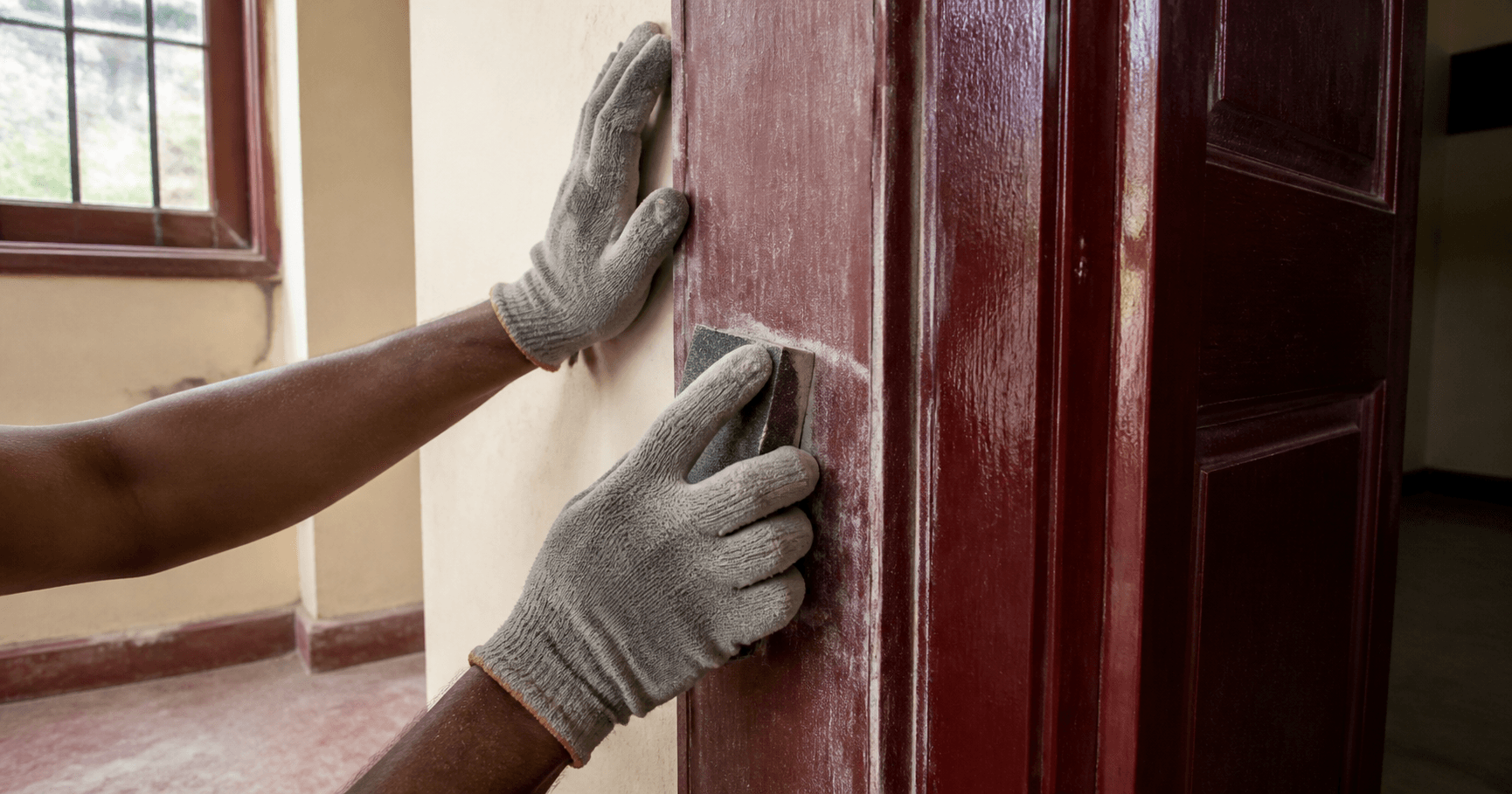
- Satin or gloss over old gloss. The existing film is too smooth to grip, so it needs sanding to a dull key first. Skipping that step is the most common reason we are called back to look at a repaint that peeled inside a year, and no amount of paint quality makes up for it.
- Satin over old matt. Usually straightforward. Old matt is porous and drinks the first coat, so expect a primer and judge coverage only after the second.
- Matt over old satin or gloss. Sand and prime, or accept a patchy result.
- Anything over a chalking wall. If your palm comes away powdery, nothing will hold. That surface needs treating before paint, and the sheen you choose is beside the point.
What Madurai and Coimbatore add to the decision
Two local realities push more rooms toward satin than a generic guide would suggest.
Dust is the first. Fine grit settles constantly, and a wall you can wipe stays presentable between deep cleans while a matt one slowly greys. The second is monsoon damp on shared and north-facing walls, which encourages growth in exactly the corners nobody inspects. A wipeable surface with an anti-fungal formulation is far easier to stay on top of than a porous one.
None of this makes matt wrong. It makes matt a choice for the rooms that stay dry and stay untouched, which in a South Indian home is fewer rooms than most people assume.
Mistakes we see on site visits
Most of the finish problems we get called out to look at were decided before a tin was opened.
- One finish everywhere. The all-gloss house glares under every light and the all-matt house stains at hand height, and both get repainted early.
- Gloss over unprepared walls. Shine magnifies flaws, so prep the plaster or pick something flatter.
- Matt in the kitchen because it looks premium. Six months of oil mist and daily wiping later, it looks like neither.
- Choosing at night under a white LED. The room reads cold at noon.
Frequently asked questions
Which finish hides wall cracks and putty marks best?
Matt. It absorbs light, so waviness, putty patches and hairline repair marks show far less than they would under satin or gloss, particularly on older cement-plastered walls. For genuinely damaged walls, repair the surface first. No finish hides an open crack.
Can stains be wiped off matt paint?
Gently, yes. Hard scrubbing is the problem: it can burnish a permanent shiny patch into a matt wall. If a wall will be wiped often, satin is the safer pick, which is why we suggest matt only for low-touch rooms.
Can I paint satin straight over matt?
Usually yes, on a sound wall. The older coat drinks the first pass, so the colour will look thin until the second one goes on. Do not read that as bad paint. If the surface is chalky or flaking, deal with that before anything else, because sheen will not fix adhesion.
Does a glossier finish actually last longer?
On wood and metal, yes, because the harder film resists handling and moisture. On large plastered walls the honest answer is no. Gloss shows wear patterns and flaws so readily that it often looks tired sooner than a well-chosen satin.
Do the three finishes differ much in price?
Sheen moves the number far less than brand markup does. Royaltec manufactures and sells direct with no distributor or dealer margin in between, so comparable quality typically costs up to 40% less across all three finishes. You get a like-for-like comparison at your site visit.
Get the finish right the first time
A wrong finish means repainting years earlier than you planned, and it is a mistake you only find out about slowly.
If you are weighing it up, book a free colour consultation. Our team will look at your rooms, your light and the actual condition of your walls, then recommend finish by finish. Factory-direct, across Madurai and Coimbatore.