
Texture Finish Services
Professional home painting. Premium Royaltec paint included. Texture is a labour finish, not a paint you roll on. The cost sits in the hand-applied pattern and the base underneath it, so both get approved on a sample before the wall is committed.
For homes with a floor area of 600 sq ft and above.
A texture wall is priced by hand-work, not by litres. Two walls the same size can differ substantially in cost because one carries a shallow roller pattern and the other a deep trowelled relief that takes an experienced applicator far longer.
That is also why the sample matters more than the brochure. Texture reads completely differently at scale and under real light. A pattern that looks subtle on a small board can dominate a living room, and a depth that photographs beautifully can throw hard shadows under downlights.
What goes underneath a texture finish?
The base is an ordinary, well-built wall system: Royaltec Wall Putty where the surface needs levelling, then Acrylic Multi-Purpose Cement Primer. On fresh plaster, Alkali Block Primer replaces the standard primer for the same reason it does anywhere else. The texture material and the topcoat over it are named in the written quote once you approve the sample, because pattern and depth decide which product is appropriate.
One thing texture will not do is hide a problem. It cannot bridge a crack that is still moving, and it will not hold on a damp or powdery wall. Applied over either, it fails in a way that is far more expensive to correct than plain paint, because the whole relief has to come off.
Where a room needs to feel finished without the upkeep, a plain wall in Signature Acrylic Emulsion and a considered shade often does more than a textured one. We will say so at the site visit if that is the honest answer.
See feature-wall work as part of interior painting in Madurai.
For homes and offices in Coimbatore, sample approval happens at the same free site visit.
What’s included
Sample approved before the wall
You sign off pattern and depth on a physical sample area, in the room’s own light.
One wall, chosen deliberately
We advise which wall carries texture and which stay plain, rather than texturing a whole room.
Base condition confirmed first
Texture is applied over a sound, level base. It is a finish, not a repair.
Upkeep explained honestly
A raised pattern holds dust. You are told how it cleans before you choose the depth.
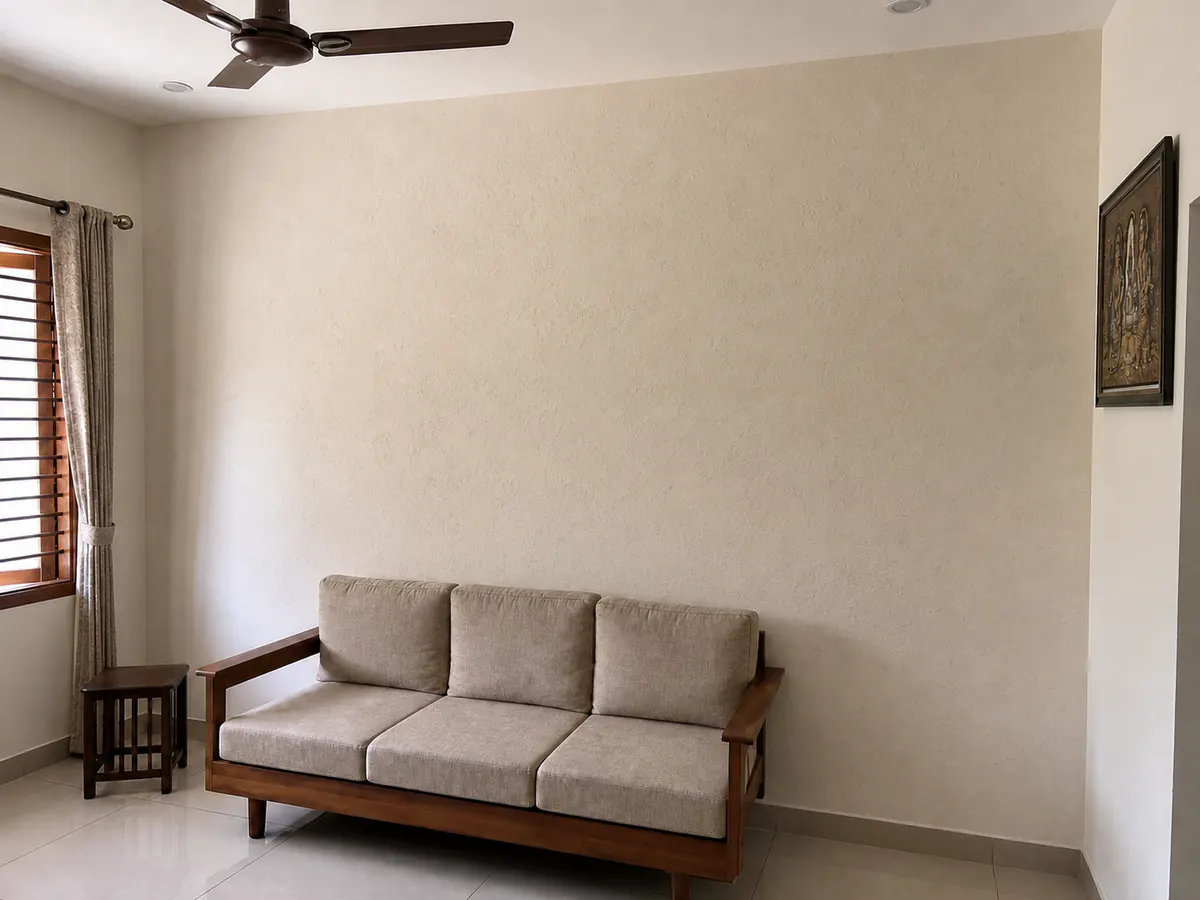
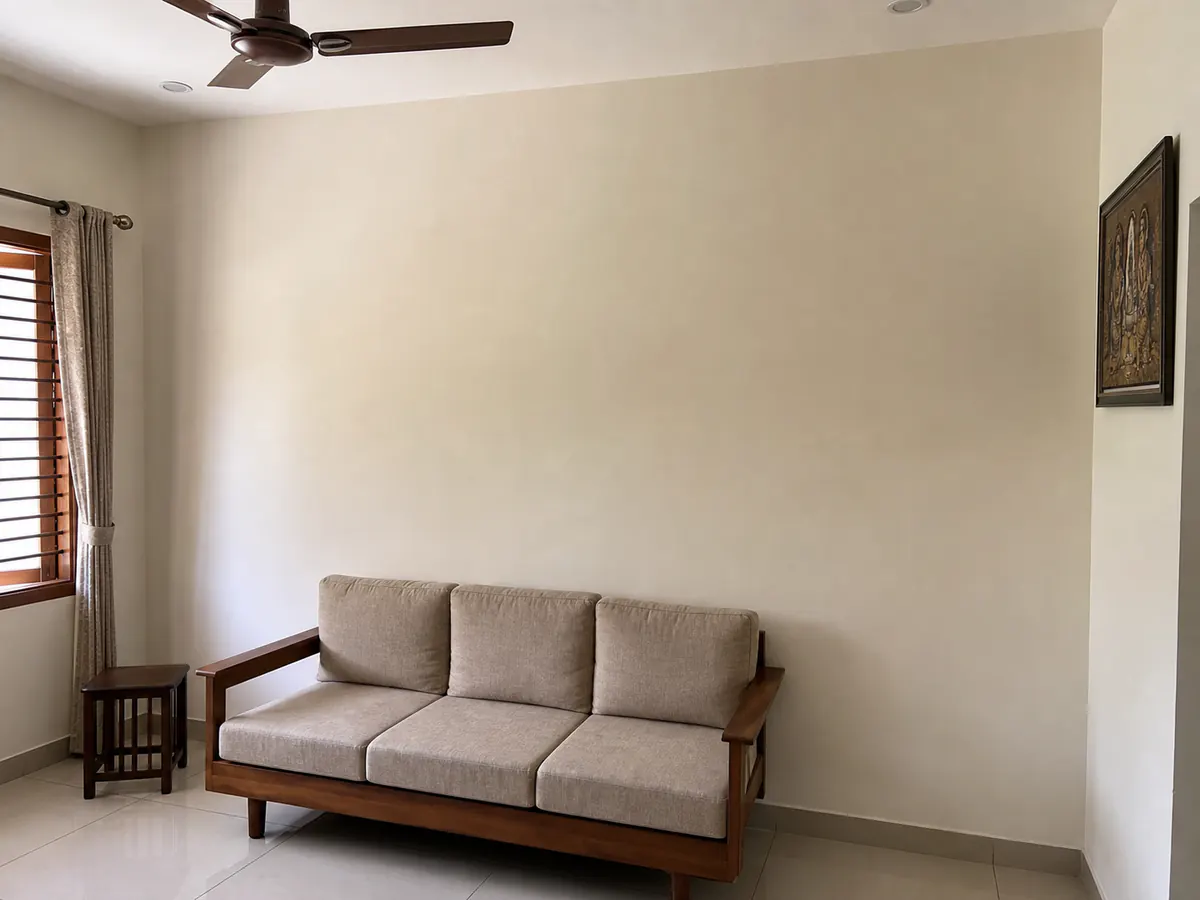
One wall carries the texture, the rest stay quiet
The same living room before and after a single feature wall, with surrounding walls left plain.
How deep should the pattern be?
Depth drives appearance, labour and cleaning in the same direction. Decide it against the room, not the photo.
| Subtle | Medium relief | Deep relief | |
|---|---|---|---|
| Effect in the room | Reads as a soft finish | Clear pattern, visible shadow | Strong architectural statement |
| Under downlights | Forgiving | Shadow becomes noticeable | Shadow is pronounced |
| Cleaning | Wipes much like paint | Dust settles in the pattern | Needs brushing, not wiping |
| Applicator time | Lowest | Moderate | Highest, and the main cost driver |
Depth is confirmed on an approved sample area before the full wall is started.
Nothing goes on the wall before you have seen it
1. Shortlist on site
Narrow pattern and depth against the room’s size, lighting and existing furniture.
2. Sample area applied
A patch goes up on the actual wall, in the actual light, at the actual depth.
3. View it at both times of day
Check it in daylight and under your evening lamps before approving.
4. Approve, then scope
The signed-off sample fixes the measured area, material and topcoat in the quote.
What sits under and over the texture
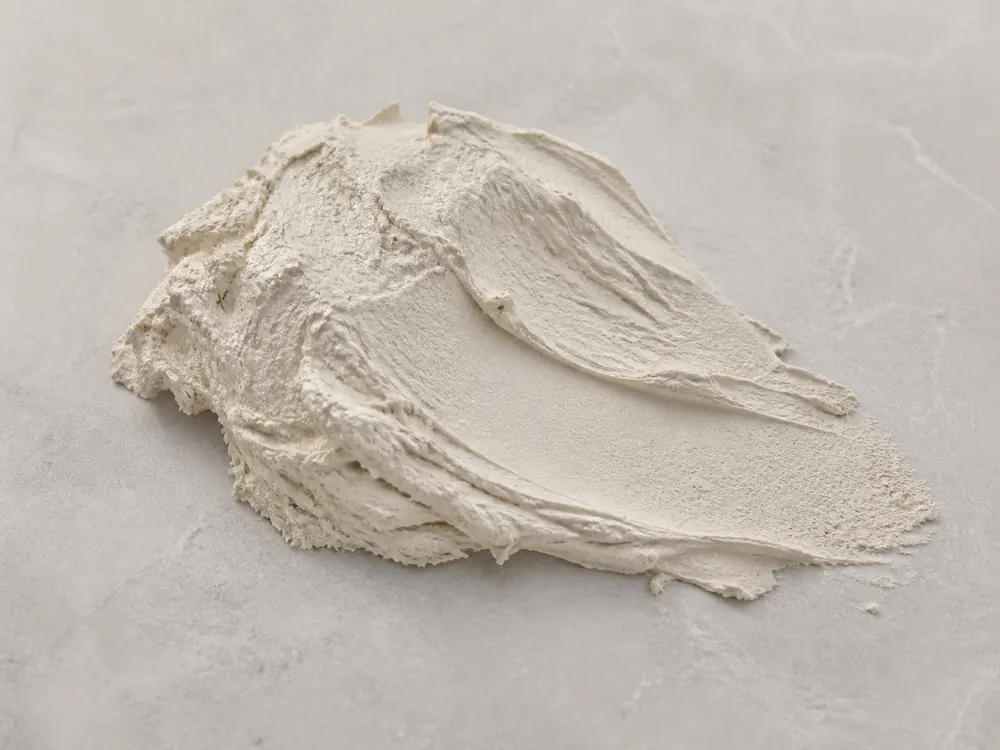
The base build-up uses the same products as any well-prepared wall. The texture material itself is named in your quote after sample approval.
Starting price
Price after site inspection
Where it is used
Feature walls, living rooms, bedrooms and commercial interiors.
FAQ
Because it is hand-applied. A skilled applicator builds the pattern in layers and the time scales with depth and area. The material is a smaller part of the cost than the labour, which is why the quote is measured for that specific wall.
No, and this is worth being clear about. A settled hairline crack can be filled and levelled beforehand. A crack that is still moving will come through the texture, and removing a failed textured wall costs far more than repainting a plain one.
Subtle patterns wipe much like paint. Deeper relief collects dust in the grooves and is better dusted with a soft brush than scrubbed. Ask for the cleaning guidance of the specific approved system, since it depends on the topcoat used.
It can, but it is real work: the relief has to be taken back and the wall re-levelled before it will accept a flat finish. Treat a texture wall as a long-term decision rather than something to change with the next repaint.
Usually one per room. Texture works by contrast, so it needs plain walls around it to read as a feature. Texturing every wall in a room tends to make the space feel smaller and busier, and it multiplies both cost and upkeep.
Yes, and you should. A sample area is applied to the actual wall so you can judge the pattern at full scale in your own daylight and evening lighting. The measured scope is only fixed after you approve it.
Discuss your painting project
Tell us your home’s floor area, city, painting needs and timing. We will confirm eligibility and availability before arranging a site visit and an itemised quote.